Strengthening Pastoral Livelihoods and Resilience in Somalia
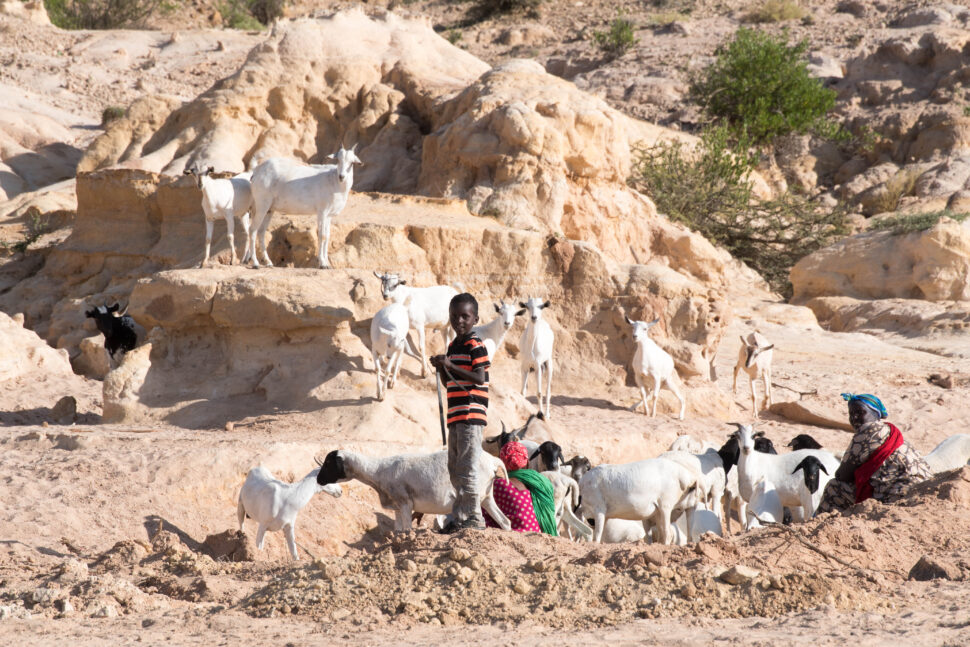
This project strengthened food security and economic resilience for vulnerable pastoralist communities in Somalia by improving animal health services, veterinary training, and sustainable livestock practices. At the same time, it promoted women’s participation in the livestock sector, supporting women-led enterprises and more inclusive economic growth.
© VSF Germany
Project Overview
-
Livelihood and Resilience Support for Pastoral Communities in Somalia
Official Title
-
BMZ – German Federal Ministry for Economic Cooperation and Development
Donor
-
EUR 2,500,000
Budget
-
June 2021 – May 2024
Duration
Background
Somalia’s economy and food systems depend heavily on pastoralism, with over 60% of the population reliant on livestock. Recurrent droughts, climate shocks, poor access to veterinary care, and weak infrastructure have exacerbated vulnerabilities, particularly for women and youth. Livelihoods are further constrained by limited water access, disease outbreaks, and restricted access to markets.
In this context, the project—implemented by VSF Germany as lead partner, in collaboration with Secours Islamique France and Somali Lifeline Organisation — addressed these intersecting challenges by strengthening animal health systems, supporting market functionality, rehabilitating water sources, and creating alternative income opportunities. The project also responded to the specific vulnerabilities of women and marginalized groups, promoting economic inclusion and resilience through locally anchored, sustainable approaches.
© VSF Germany
© VSF Germany
Project Description and Results
Over its three-year duration, the project significantly improved the livelihoods of Somali pastoralist and agro-pastoralist communities through a comprehensive, multisectoral approach. Mobile veterinary units were established and supported through the training of more than 250 community-based animal health workers (CAHWs) and targeted capacity building for government staff. This expanded local disease surveillance and improved livestock health outcomes. Another key veterinary component was the establishment of private veterinary pharmacies equipped to provide essential vaccines, contributing to a reduction in infectious livestock diseases. Together, these efforts led to the treatment and vaccination of more than 50,000 animals, lowering mortality rates and increasing productivity. In turn, this enabled pastoralists to access better market prices and increase household incomes.
The project had a clear economic impact. Women-led livestock enterprises and community savings initiatives significantly improved access to credit and financial inclusion for smallholder livestock producers. These measures, combined with improved animal health and reduced livestock losses, contributed to greater household resilience and economic stability. Long-term sustainability was further supported through the establishment of local veterinary networks and the training of CAHWs, creating a self-sustaining system for animal healthcare. In addition, the adoption of drought-resistant fodder crops improved pasture resilience and reduced overgrazing, while partnerships with local government helped strengthen policy support for pastoralist livelihoods.
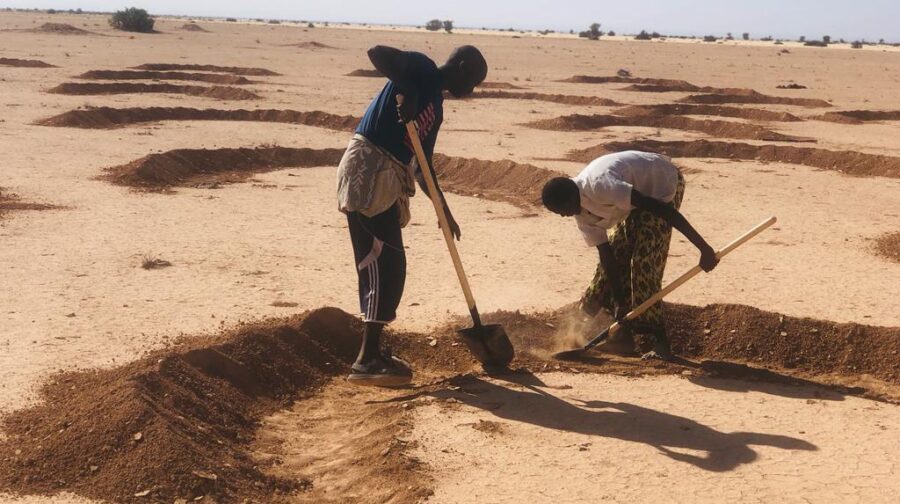
In parallel, the project addressed critical water and sanitation needs, particularly in schools and IDP camps. This included the rehabilitation of one borehole and six existing water pans through desilting, hygiene promotion activities at five rehabilitated facilities, the rehabilitation of four earth dams, and the installation of hand pumps and 2,000-litre water tanks. These interventions significantly improved access to clean water for approximately 8,954 households, especially during the dry season, and enhanced health and hygiene conditions for schoolchildren. Livestock watering points were also rehabilitated to reduce both direct and indirect exposure to infectious agents, contributing to improved animal and public health outcomes under a One Health approach.
These infrastructure upgrades were often implemented through cash-for-work programmes, which temporarily employed more than 2,000 individuals—particularly women and youth—while restoring local assets such as water catchments and feeder roads. At one site, 59% of participants were internally displaced persons (IDPs), 35% were members of the host community, and 7% were returnees.
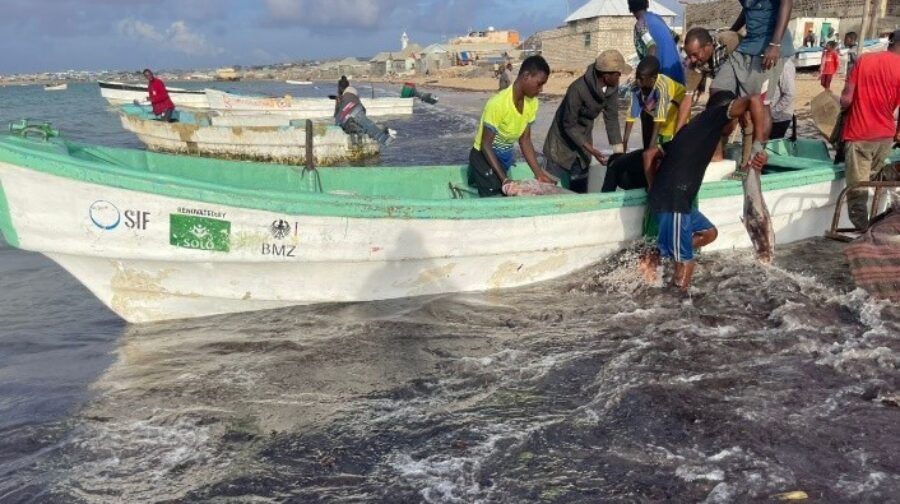
To support economic diversification, particularly in coastal regions, the project strengthened fishing cooperatives by providing cold storage facilities, fishing gear, and training in cooperative management and sustainable fishing techniques. Women played a central role in the fisheries sector, particularly in processing and marketing activities, and were empowered through targeted training, enterprise support, and leadership opportunities within cooperative governance structures.
Community-based Disaster Risk Reduction (DRR) Committees, along with representatives from local authorities, were trained in disaster preparedness and response as well as early warning systems. This supported effective DRR activities at community level, including contingency planning and scenario-based responses to different hazards. In addition, the project worked with local radio stations to broadcast short awareness messages to proactively address and mitigate disaster risks.
The project’s overarching objective of strengthening frameworks for community-based peacebuilding and conflict management was also achieved through the establishment and training of district peace committees, as well as sensitisation activities conducted through peacebuilding forums and radio broadcasts.
Economic Impact and Sustainability
The project strengthened resilience at individual, household, community, and government levels through integrated interventions in food security, WASH, nutrition, livelihoods, disaster risk reduction, and peacebuilding. In total, 54,566 households were reached: 52% through food and nutrition security interventions, 23% through reconstruction activities, 16% through disaster risk management, and 9% through initiatives promoting peaceful and inclusive coexistence. Individuals and households benefited from skills training, unconditional and conditional cash transfers, livestock restocking, and improved access to water and sanitation—leading to enhanced food security, increased income generation, and improved health outcomes. For example, 2,950 households (76% women-headed) received unconditional cash transfers to meet basic needs, while conditional transfers supported income-generating activities such as tea kiosks.
The project rebuilt sustainable and resilient livelihoods by engaging pastoralists, agro-pastoralists, fisherfolk, and returnees throughout the full project cycle, alongside targeted capacity-building support for 930 households in animal husbandry and fisheries. Youth and women who received vocational skills training reported income increases of up to 46% and 32%, respectively, particularly among fisherfolk and traders. Sustainability was a core element of the project design: the introduction of drought-resistant fodder crops and supplementary feeding (1,040 households, 150 metric tonnes of locally sourced fodder) strengthened ecological resilience while supporting local economies.
The establishment of local veterinary networks—including support to three government veterinary teams and 40 CAHWs—enabled the vaccination and treatment of more than 409,000 livestock, significantly reducing disease prevalence and mortality. In addition, the training of 12 Pastoral Field School facilitators and the establishment of four learning centres further empowered communities to adopt sustainable practices. In the WASH sector, the rehabilitation of one borehole and six water pans benefited approximately 1,000 households, while governance and sustainability were reinforced through five trained water management committees. Collaboration with Somali government agencies contributed to more inclusive policy frameworks that better address the needs of pastoralist communities, thereby strengthening long-term impact and local ownership.
This project was made possible by the generous support of Federal Ministry for Economic Cooperation and Development.