Integrated development and resilience building in South Kordofan and Blue Nile States
The Integrated Development and Resilience Initiative supports crisis-affected communities in South Kordofan and Blue Nile States through an inclusive, multi-sectoral approach that links humanitarian assistance with long-term resilience building. The project strengthens food and nutrition security, health and veterinary services, sustainable natural resource management, and peaceful coexistence. By empowering communities and strengthening local systems, IDRI–SKBNS helps vulnerable households restore livelihoods, manage risks, and access essential services.
© VSF Germany
Project Overview
-
Integrated Development and Resilience Initiative in South Kordofan and Blue Nile States (IDRI–SKBNS)
Official Title
-
BMZ – Transitional Development Assistance
Donor
-
EUR 6,500,000
Budget
-
2021 – 2026
Duration
Background
Sudan’s protracted crisis has severely impacted rural populations, with South Kordofan and Blue Nile States among the most affected. Years of conflict, underinvestment, and environmental degradation have led to extreme food insecurity, poor infrastructure, and social fragmentation.
In this context, the IDRI–SKBNS project, led by VSF Germany in partnership with World Relief and LM International, was designed to reduce chronic vulnerabilities and create opportunities for long term resilience. Emphasising a One Health approach, the initiative addresses the interconnected needs of people, animals, and ecosystems.
By integrating urgent service delivery with long-term system strengthening, the project offers a pathway toward peace, stability, and sustainable development in highly fragile regions.
© VSF Germany
© VSF Germany
Project Description and Results
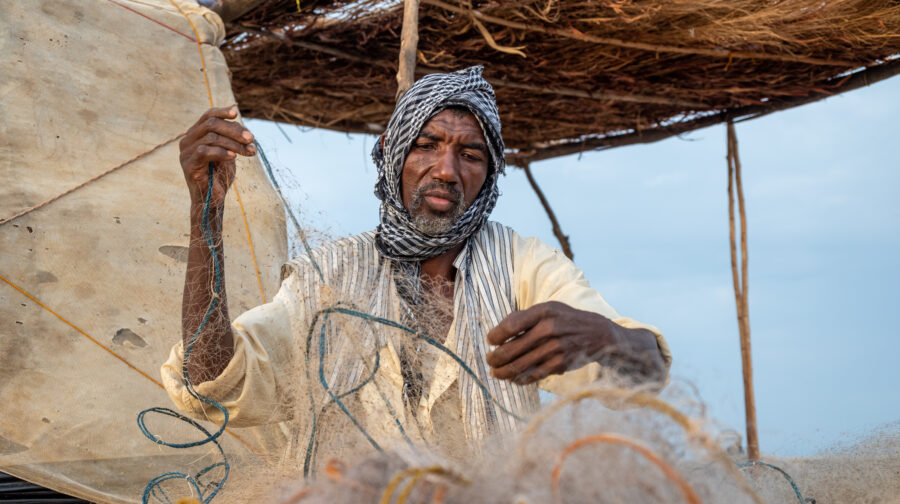
The project combines interventions across agriculture, livestock, fisheries, health, nutrition, WASH, and disaster risk reduction. Smallholder farmers received improved seeds, tools, training, and access to extension services. A total of 54 farmer groups were supported, and 720 farmers received cascading trainings. Five seed banks were established or under construction, and 114 village extension agents were trained. In fisheries, eight cooperatives were revitalised, with 48 fishers receiving skills training, and further training planned for women’s groups.
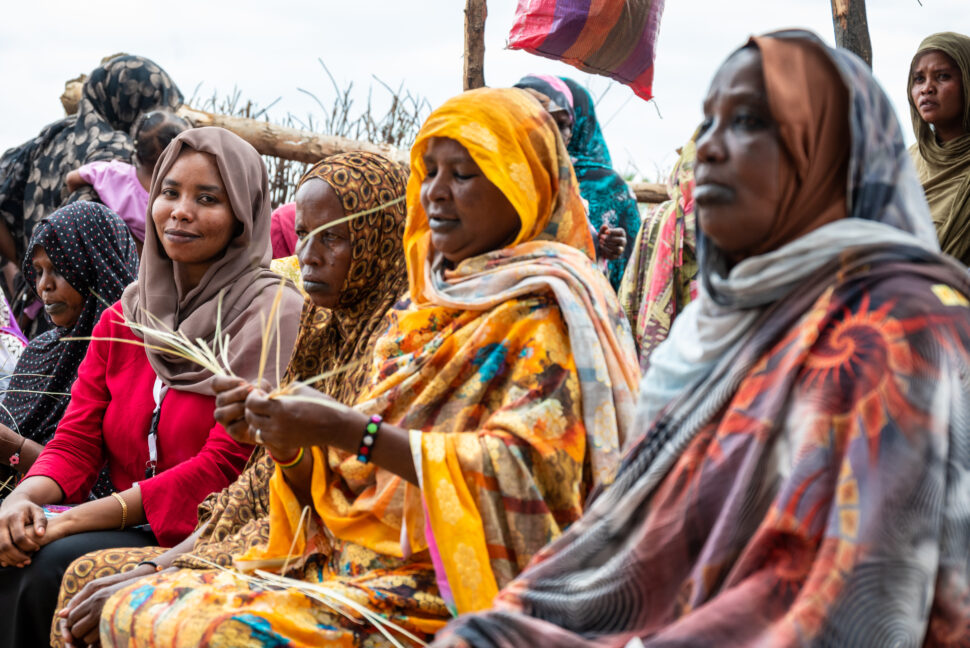
Simultaneously, 108 health and community workers were trained on food fortification and infant and young child feeding (IYCF), and 51 mother support groups were formed. IYCF promotion events and health outreach were conducted in partnership with community structures and state health authorities.
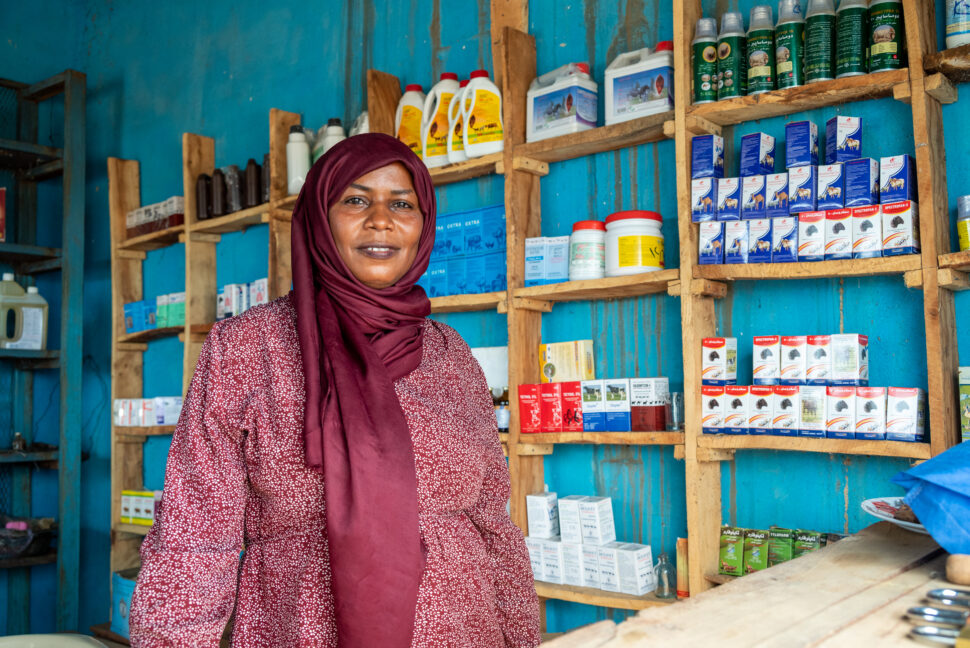
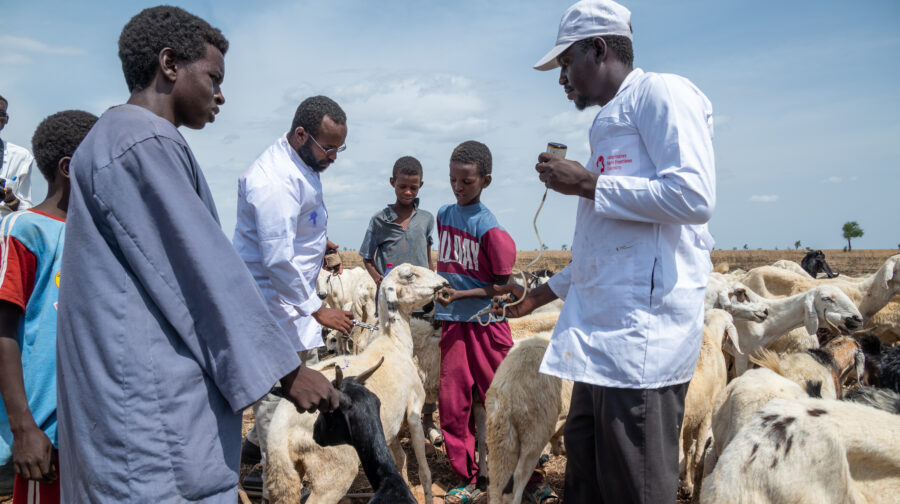
The project also rehabilitated health and veterinary facilities, supported private veterinary pharmacies, trained 30 veterinary staff, and vaccinated 170,000 animals. Mobile clinics, CAHW transport, and improved veterinary infrastructure helped restore basic services. In WASH, 39 water schemes were rehabilitated, 43 Water User Committees trained, and spare parts supplied. In the One Health domain, working groups were established and staff trained, despite delays caused by national conflict.
Finally, 12 community-based disaster risk reduction committees were formed, outreach and preparedness workshops were conducted, and 50 farmers were trained in integrated natural resource management. These actions collectively fostered resilience, local ownership, and peaceful coexistence in communities navigating the overlapping challenges of climate stress and political instability.
© VSF Germany
Economic Impact and Sustainability
The project has significantly contributed to restoring rural economies and strengthening local systems. By supporting farmer, fisherfolk, and pastoralist groups with assets, training, and market linkages, IDRI–SKBNS enabled families to resume food production and income-generating activities. Improved veterinary and health systems reduced the risk of shocks, while vocational training helped diversify household incomes. Community structures such as Water User Committees, Mother Support Groups, and Disaster Risk Reduction Committees were empowered to take ownership of essential services. Despite operational challenges due to the ongoing conflict, these foundations of local governance, market integration, and service delivery offer sustainable pathways for continued resilience in South Kordofan and Blue Nile States.
This project was made possible by the generous support of Federal Ministry for Economic Cooperation and Development.