Drought Emergency Response and Recovery in Borana, Afar, South Omo and Somali Regions
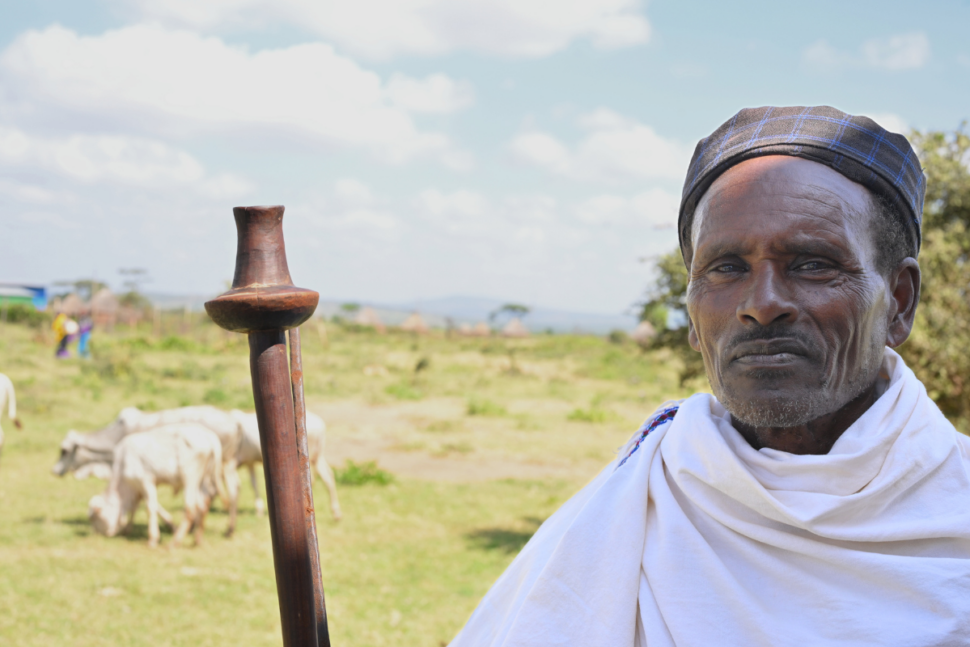
Recurring droughts and increasing climate shocks are threatening the livelihoods of many people in Ethiopia's lowland regions. With the DERR-BOASS project, Vets Without Borders is alleviating acute hardship and strengthening the resilience of pastoralist communities through integrated assistance in animal health, water supply, hygiene and food security.
© VSF Germany
Project Overview
-
Drought Emergency Response and Recovery in Borana, Afar, South Omo and Somali Regions (DERR-BOASS
Official Title
-
U. S. Department of State
Donor
-
USD 16,500,000
Budget
-
July 2023 – September 2026
Duration
Background
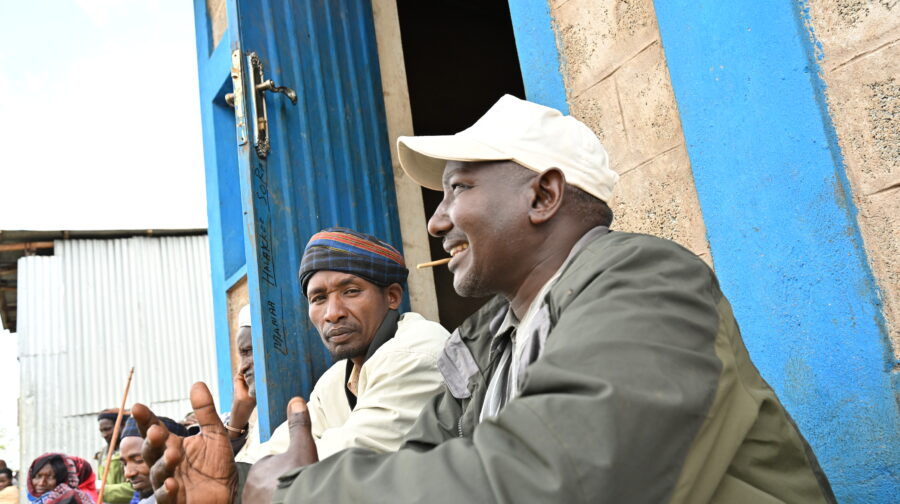
Years of compounded crises, ranging from drought and disease to locust infestations and regional conflict, have severely undermined the coping capacity of communities in Ethiopia’s Borana, Afar, South Omo and Somali regions. As pastoralists and agro-pastoralists lose their core livestock assets and face dwindling access to clean water, the risk of malnutrition, displacement, and poverty continues to rise.
Early warning systems operated by the Ethiopian government also indicate a high probability of a further deterioration in the situation, triggered by extreme weather conditions caused by La Niña. Regions with fragile ecosystems and inadequate infrastructure are particularly affected.
Against this backdrop, Vétérinaires Sans Frontières Germany is implementing the DERR-BOASS project in collaboration with Vétérinaires Sans Frontières Suisse. The aim is to meet acute humanitarian needs while creating the conditions for long-term recovery and greater resilience in the affected communities.
© VSF Germany
© VSF Germany
Project Description and Results
The project has taken a comprehensive and community-driven approach to emergency response. In the agriculture and livestock sector, VSF Germany distributed 4,800 quintals of concentrated animal feed to 3,200 households in Afar during the peak dry season, ensuring the survival of over 32,000 core breeding animals.
Veterinary voucher programmes have reached 7,500 households across all four regions, enabling the treatment of more than 621,000 animals. In parallel, over 3.1 million animals were vaccinated against priority diseases such as anthrax, pasteurellosis, and contagious caprine pleuropneumonia (CCPP). These interventions were supported by the training of 251 community animal health workers and 219 veterinary professionals.
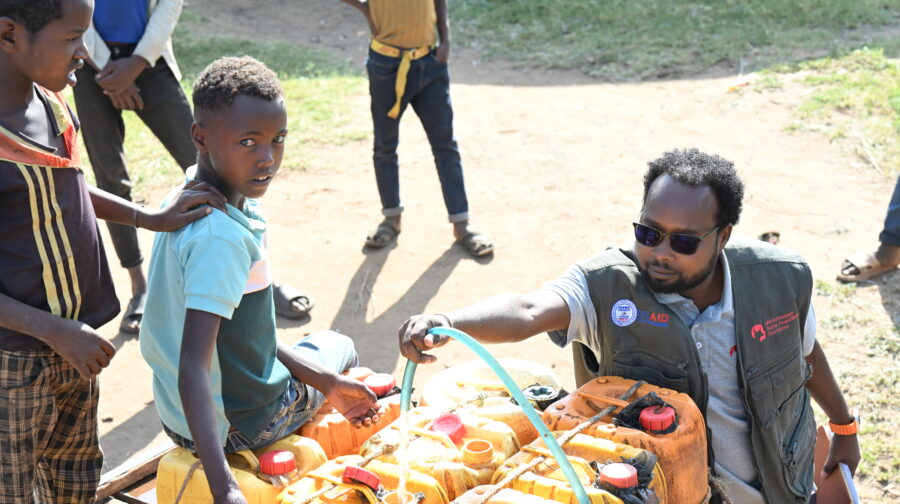
Water, sanitation, and hygiene (WASH) services have also been a central focus. To date, 10 water schemes have been upgraded or rehabilitated, providing 59,605 people with access to safe drinking water. Solar-powered systems have been installed in nine locations, reducing operational costs and increasing sustainability. Sixteen WASH Committees have been reactivated and trained to manage the schemes, collect user fees, and ensure equitable access. Hygiene promotion campaigns trained 178 health extension workers and 313 lead households, who cascaded sanitation messages to more than 3,000 community members. Essential hygiene kits have been procured and distributed to vulnerable families, with further outreach planned in the coming months.
Until 2024, multipurpose cash transfers were delivered to 490 vulnerable households across Afar, prioritising women-headed families, people with disabilities, and those unable to participate in cash-for-work activities. Across all sectors, community structures such as DRR (disaster risk reduction) committees and appeal boards have been instrumental in targeting, complaint management, and accountability, ensuring transparency and inclusivity throughout the project lifecycle.
Economic Impact and Sustainability
The DERR-BOASS project has had a profound impact on household livelihoods and community systems. By preserving core livestock through feed and veterinary support, the project has helped maintain productive assets and reduced the need for distress sales. Vaccination campaigns have contributed to improved livestock health and reduced the spread of preventable animal and zoonotic or food-borne diseases, supporting pastoral recovery and long-term food security. In the WASH sector, the shift to solar-powered infrastructure has improved sustainability and reduced operational burdens on communities. Trained WASH Committees have begun collecting and managing user fees, enhancing ownership and local stewardship of water resources.
Cash assistance has helped offset the impact of inflation and market volatility, providing flexible support to families facing multiple layers of vulnerability. In addition, capacity-building efforts targeting local institutions, veterinary networks, and WASH governance bodies have laid a foundation for continued service delivery beyond the life of the project. By embedding inclusive planning, gender-sensitive targeting, and strong community engagement, the DERR-BOASS project is not only responding to the present crisis but also building the systems and confidence needed for long-term resilience.
This project and this report were made possible by the generous support of the Government of the United States. The contents are the responsibility of Vétérinaires Sans Frontières Germany and do not necessarily reflect the views of the Government of the United States.