Donkeys Deserve Our Attention
Looking Back at World Donkey Day 2026 in Somaliland
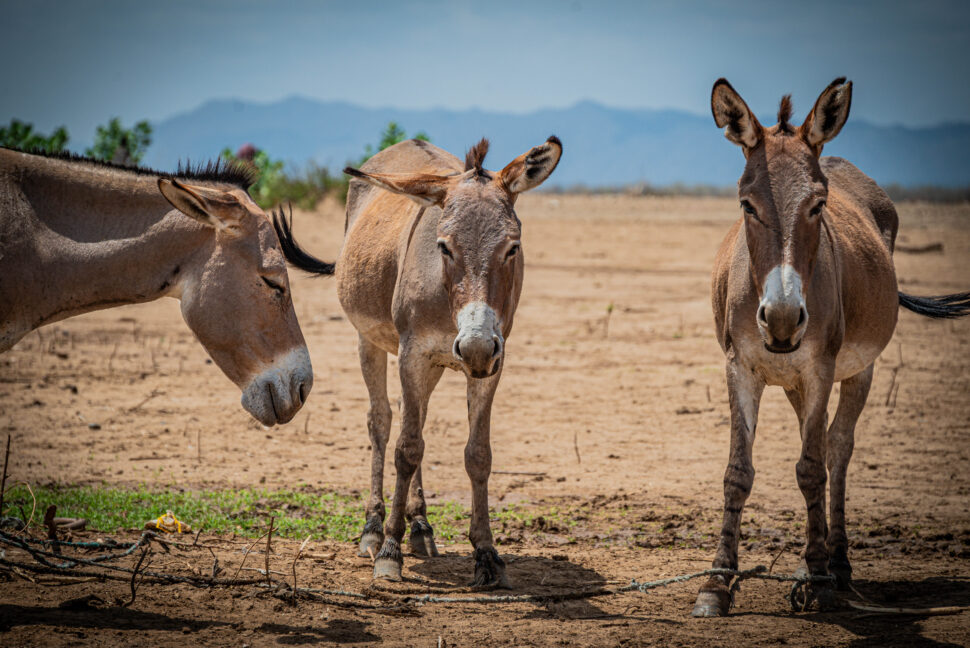
World Donkey Day is celebrated every year on 8 May. Since its establishment in 2010, it has recognised the resilience and importance of these often-overlooked animals while drawing attention to the many threats they face around the world.
Although 8 May was several weeks ago, its message remains highly relevant—especially in Somaliland. For many families, donkeys are far more than working animals. They transport water, firewood, food, and construction materials, making an essential contribution to household livelihoods and daily life.
Working Together to Protect African Donkeys
In Hargeisa, World Donkey Day 2026 was held under the theme:
“Preserving the African Donkey Is Our Collective Responsibility.”
The event was organised by VSF Germany in cooperation with the Ministry of Livestock and Rural Development, the Social and Animal Welfare Service, and other partner organisations and local stakeholders.
The programme focused on the welfare of working donkeys and the consequences of the illegal donkey skin trade. This trade threatens not only donkey populations in Somaliland but also the livelihoods of the people who depend on them.
During the event, animal health professionals provided donkey owners with practical guidance on proper care and responsible animal husbandry. A total of 80 donkeys received veterinary treatment, including deworming and wound care.
Young people were also involved. Students at Qule Aadan Secondary School learned more about the importance of donkeys and their welfare needs. The event also recognised individuals who have shown exceptional commitment to protecting donkeys and improving their welfare.
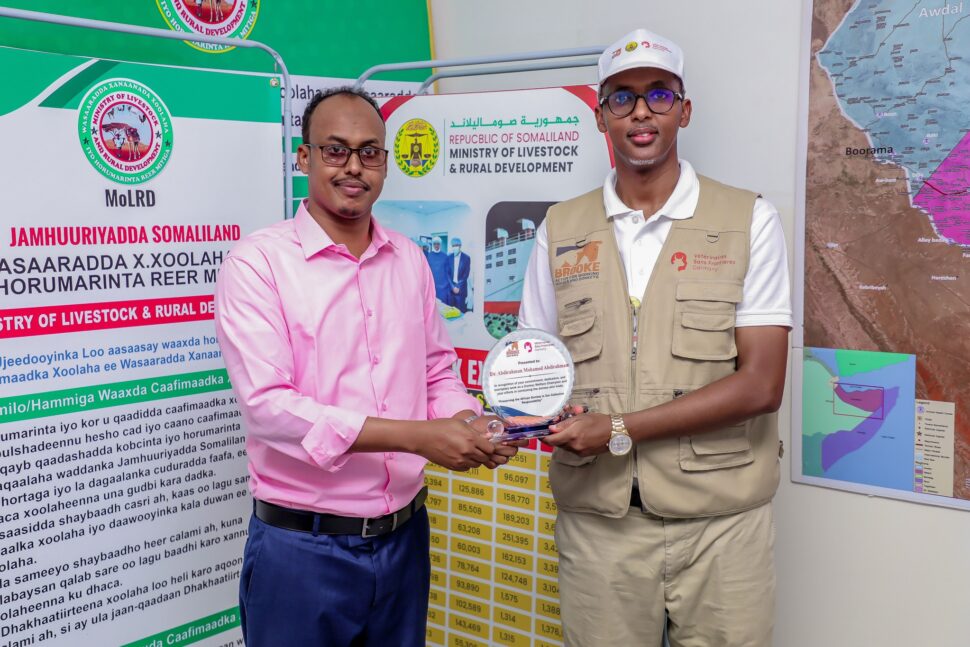
Long-Term Commitment Is Essential
The event built on the joint work of VSF Germany and Brooke East Africa in the Maroodjex region. The project to improve donkey welfare and strengthen the economic resilience of households ran from April 2025 to March 2026 and was part of a partnership dating back to 2019.
Its aim was to achieve lasting improvements in the welfare and working conditions of donkeys in Hargeisa, Gabiley, and Wajaale. Activities included strengthening veterinary services, training local animal health workers and donkey owners, improving access to feed and water, and creating additional income opportunities for participating households.
Poverty, recurring droughts, and limited access to veterinary care directly affect the welfare of working animals. Lasting improvements are therefore only possible when animal health and household economic security are addressed together.
World Donkey Day helps bring much-needed attention to these issues. What matters most, however, is what happens beyond the awareness day: knowledge must continue to be shared, local structures strengthened, and responsibility embraced collectively.
Healthy, well-cared-for donkeys suffer less—and help provide greater security and stability for the families whose livelihoods depend on them.